
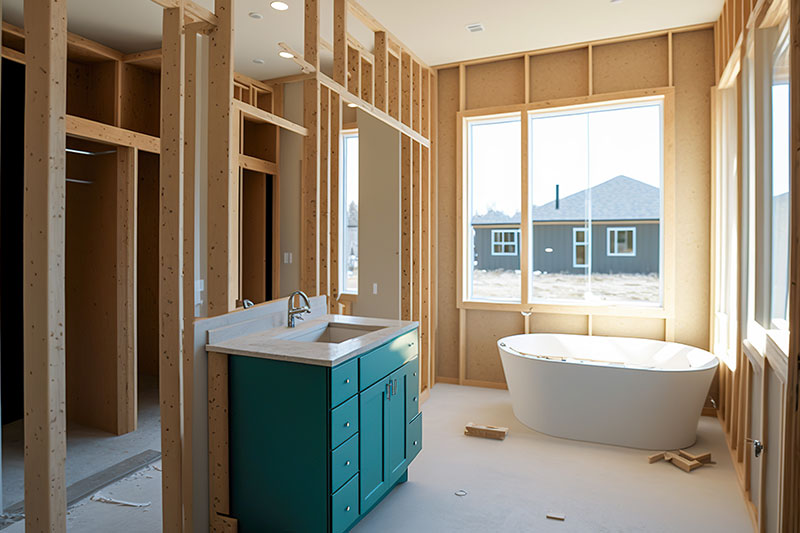
Upgrading a bathroom sounds exciting – new tiles, shiny fixtures, maybe a walk-in shower or a double vanity. But before diving in, skipping the groundwork can quickly turn excitement into regret. A remodel done right adds comfort, value, and style. Done wrong, it leads to stress, delays, and bills that snowball.
Here’s what really needs your attention before anything gets ripped out or installed.
Check Your Plumbing Like It Matters (Because It Does)
Hidden behind the walls and under the floors, plumbing can quietly make or break your bathroom remodel. Even the most beautiful tile job can’t hide a leak for long.
Before you think about new faucets or rain showers, make sure the pipes are in good shape. Look for signs of rust, corrosion, or previous patchwork. Replacing old pipes now, while the walls are already open, can save you from major repairs later.
Even more importantly, check if the existing plumbing layout supports the new design. Moving drains or water lines around isn’t just expensive; it often needs special permits and inspections.
Take a Hard Look at Ventilation
Moisture is a bathroom’s worst enemy. It creeps into walls, ruins paint, and invites mold. So, before installing new fixtures or cabinets, make sure your bathroom can breathe.
A good exhaust fan that actually vents to the outside (not the attic) is key. If your current setup doesn’t cut it, now’s the time to upgrade it. It’s a small investment with a significant impact on air quality and longevity.
Electrical Safety First
Most bathrooms are powered by outdated wiring that wasn’t designed to handle modern lighting, heated floors, or smart mirrors. Check if the electrical system is grounded and up to code. Outlets should be GFCI-protected. Light switches should be safe and dry. If you’re adding features like recessed lights or under-cabinet LEDs, make sure your system can handle it.
Upgrading the electrical now, while you have access to the walls, gives you more freedom later and keeps things safe.
Layout Isn’t Just About Looks
It’s easy to fall for trendy ideas online, but if your layout doesn’t work for daily life, frustration builds fast. Before making changes, think through how the space will function every day. Can the door open without hitting the toilet? Will the sink crowd your morning routine? Is there enough room to stand and move comfortably?
Even a small bathroom can feel bigger when the layout flows naturally. A well-thought-out plan avoids awkward corners, tight squeezes, and storage headaches.
Set a Realistic Budget, and Add a Buffer
Every remodel comes with surprises. That’s just part of the process. So, it’s smart to create a detailed budget, and then add at least 15-20% extra for the unexpected.
Costs often pop up in places you don’t see: repairing water damage, updating old valves, upgrading wiring, or fixing subfloor rot. Planning ahead for these hidden needs helps keep your project moving instead of stalling mid-way.
Don’t Skip the Permits
Bathrooms seem simple, but many upgrades require permits, especially when plumbing or electrical is involved. Skipping permits might seem more manageable, but it can lead to inspection issues, fines, or problems selling your home later.
Working with someone who understands local codes in Schiller Park, IL, makes a huge difference. Get everything approved before work begins to avoid delays and penalties down the road.
Match Materials to Daily Use, Not Just Style
From tiles to countertops and fixtures to flooring, style is important. But don’t let looks be the only factor.
Moisture-resistant materials last longer. Non-slip floors reduce accidents. Easy-to-clean surfaces save time. Choose finishes that can handle everyday wear while still making the space feel fresh and updated.
Think about cleaning, maintenance, and how each material holds up over time. Durable doesn’t have to mean boring, and wise choices today save replacements tomorrow.
Think Storage Early
Storage might not be the first thing on your mind when planning a remodel, but it becomes a daily pain when forgotten.
Plan for where you’ll keep towels, toiletries, and cleaning supplies. Built-in shelves, recessed niches, or a well-placed vanity can keep clutter off the counters and help the space feel calm and clean. Making storage part of the design (not an afterthought) leads to a bathroom that actually works for you.
Choose Fixtures That Fit the Space
Oversized bathtubs, double sinks, and bulky cabinets sound great, but only if the room allows it. Cramming prominent features into a small space can make everything feel tighter.
Measure everything twice. Pay attention to door swings, drawer clearances, and traffic flow. Even the best-looking feature loses its shine when it gets in the way.
Sometimes, less really is more, especially in tight quarters.
Stay Honest About the Timeline
Bathroom remodels take time, even when everything goes right. Materials can be delayed. Inspections get rescheduled. Old pipes can surprise you.
Trying to rush the job often leads to shortcuts and regrets. Build in some breathing room. Keep a plan for temporary bathroom use, especially if it’s your only one. Taking it slow and doing it right beats fixing rushed mistakes later.
Final Checklist Before You Start
To keep your remodel on track from day one, make sure these basics are in order:
Plumbing is updated and can support new fixtures
Ventilation is functional and vents to the outside
Electrical system meets current codes
The layout supports daily comfort and flow
Budget includes a solid contingency buffer
All required permits are secured
Materials are practical, not just stylish
Storage is built into the design
Fixtures fit the space without crowding
A realistic timeline is in place
Final Thoughts
Upgrading a bathroom is one of the most innovative ways to boost comfort and home value. But the real difference lies in the preparation. By checking these basics first, you avoid common missteps and get a space that lasts, functionally and visually.
If you’re planning a remodel in Schiller Park, IL, and want the job done right from the start, Global Home Improvements understands what homes need behind the walls, not just in front of them. It’s this foundation that turns a fresh coat of paint into a smart investment.
Every great bathroom starts with a solid plan. Check the basics. Then build from there.